The back story
Wild Rio: the Tijuca Forest, Toucans and Marmosets
A rainforest replanted by hand in the 19th century, toucans in the Botanic Garden, marmosets on Sugarloaf and howler monkeys brought home to the Tijuca: Rio’s wild side.

Photo Credit
Image courtesy of © Halley Pacheco de Oliveira · CC BY-SA 3.0 via Wikimedia CommonsRio’s wild side, from the Atlantic Forest of the Tijuca National Park, replanted in the 19th century and now restocked with its lost animals, to the toucans of the Botanic Garden, the marmosets of Sugarloaf and the forested island of Ilha Grande, with a directory of the parks and gardens in our guide. Facts from the park, the Jardim Botânico, UNESCO and the Refauna project.
Few cities are wrapped in rainforest. Above Rio’s beaches, the forested mountains of the Tijuca National Park climb to the Corcovado and the Pedra da Gávea, and UNESCO listed the whole “Carioca Landscapes between the Mountain and the Sea” as a World Heritage site in 2012. Toucans feed in the palms of the Botanic Garden, marmosets scamper along the trails of Sugarloaf, and in the forest, animals that vanished long ago have been brought back.
Most of it is a taxi ride from Ipanema or Copacabana. Go early, before the heat, keep to the marked trails and go with a guide or a group on the longer walks.
The rainforest above Rio’s beaches was planted by hand, and its howler monkeys have been brought home.
The Tijuca forest
The Parque Nacional da Tijuca covers the forested mountains of Rio, including the Corcovado, the Pedra Bonita and the Pedra da Gávea; its headquarters are at Estrada da Cascatinha 850 in Alto da Boa Vista, and the park publishes its trails and opening times. Much of what you see is Atlantic Forest that grew back after the hills were cleared: in the 19th century, on the orders of Emperor Pedro II, Major Archer led the replanting of the Tijuca, planting around 100,000 seedlings over 13 years, and the forest did the rest.
West of Rio, Ilha Grande, off Angra dos Reis, is a mountainous island covered in Atlantic Forest, with no cars; with Paraty it forms the UNESCO World Heritage site of “Paraty and Ilha Grande – Culture and Biodiversity”, inscribed in 2019.
Toucans, marmosets and the Botanic Garden
The Jardim Botânico, at the foot of the Corcovado beside the Lagoa, is run by a federal research institute and toucans can often be seen there, feeding in the palms. On the trails of Sugarloaf and the Urca hill, small marmosets live in the trees by the paths; enjoy them, but don’t feed them.

Photo Credit
Image courtesy of © Lidia Oliveira · CC BY-SA 4.0 via Wikimedia CommonsNext door to the Botanic Garden, Parque Lage sits in a park at the foot of the Corcovado, and along the bay, the Parque do Flamengo, the Aterro, has gardens by Roberto Burle Marx.
Feature: bringing the forest’s animals home
A forest can grow back faster than its animals. The Tijuca had lost many of the species that once lived there, so the Refauna project, working with the park, began bringing them back: red-humped agoutis, which bury seeds and so plant new trees, and brown howler monkeys, whose deep calls once carried across the hills. Between 2010 and 2017 both were reintroduced, and more howlers, vaccinated against yellow fever, were released in 2024.

Did you know? The Tijuca forest above the city was largely replanted by hand in the 19th century, one of the first great forest restorations in Brazil.
Our advice
Our advice: walk the Tijuca trails early in the day, in a group or with a guide, and check the park’s notices before you go; carry water and insect repellent. Look for toucans in the Botanic Garden in the morning, never feed marmosets or other monkeys, and take your rubbish home.
Why it's on our list
- The Tijuca forest
- Toucans, marmosets and the Botanic Garden
- Feature: bringing the forest’s animals home
- Our advice
Location
The map comes from Google Maps, which sets its own cookies once it loads.
More in depth
 The back storyBuying in Rio: the seafront, the lagoon and the deedSeafront apartments on the Avenida Vieira Souto and the Delfim Moreira, the streets round the Lagoa, houses in Jardim Botânico and the condominiums of Barra: where people buy in Rio, and how a sale works in Brazil.
 The back storyRio by metro, tram and ferryThe metro along the beaches, the VLT light rail through Centro and the port, the ferries across the bay to Niterói and the old tram to Santa Teresa.
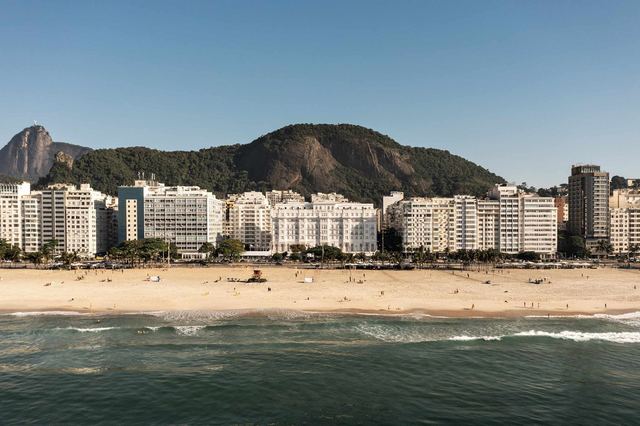 The back storyWhere Rio sleeps: from the Palace to the hillsThe Copacabana Palace on the Avenida Atlântica, the beach hotels of Ipanema and Leblon, a colonial house in Santa Teresa and a restored mansion in Lapa: where to stay in Rio, and why the beach you wake up on matters.